
 Like smart factories, many US manufacturers are also increasing their use and investment in robotic technology. This trend is fueled by supply chain challenges that are causing manufacturers to re-shore operations back to the US. They are using robots to offset the current shortage of available factory line labor and as a means to minimize overall labor costs making them more competitive.
Most robots in manufacturing often conjure images of one-armed machinations welding car parts. However, one of the fastest-growing opportunities is in the area of Robot Process Automation (RPA). This sector is revolutionizing supply chain and logistics by automating manual tasks currently carried out by human workers, like data entry and report generation. RPA is also applied to Enterprise Resource Process (ERP) systems to streamline business processes.
With these robot-connected sensors distributed across the supply chain, production line, warehouses, and distribution centers comes an immense amount of data. All data needs to be transmitted and powered from their remote locations to a potential knowledge center. From there, it’s collected, analyzed, and turned into actionable insights improving productivity and efficiency.
Other new industrial applications include Autonomous Mobile Robots (AMRs). This includes delivery drones and automated picking/packing and material handling robots. Then, of course, there’s the question of who or what is taking care of all these robots. You guessed it, more robots are designed to perform their own diagnostics using more sensors and data analysis. Features like this help to determine when they need to be taken out of service for maintenance.
The data and power cables needed for these fiber optic cables for smart factories and robotics trends applications also need to account for the rugged mobility proficiencies. These are things they will need to possess in the physical environments they will endure. Power and data supplies under these conditions need to handle potentially dusty and dirty atmospheres, support more weight, and potentially millions of rolling or torsional flex movements without failing. Active optical hybrid cables and flexible printed circuitry are currently available data technologies that can meet these challenges.
Machine Vision & Multi-Function Cables
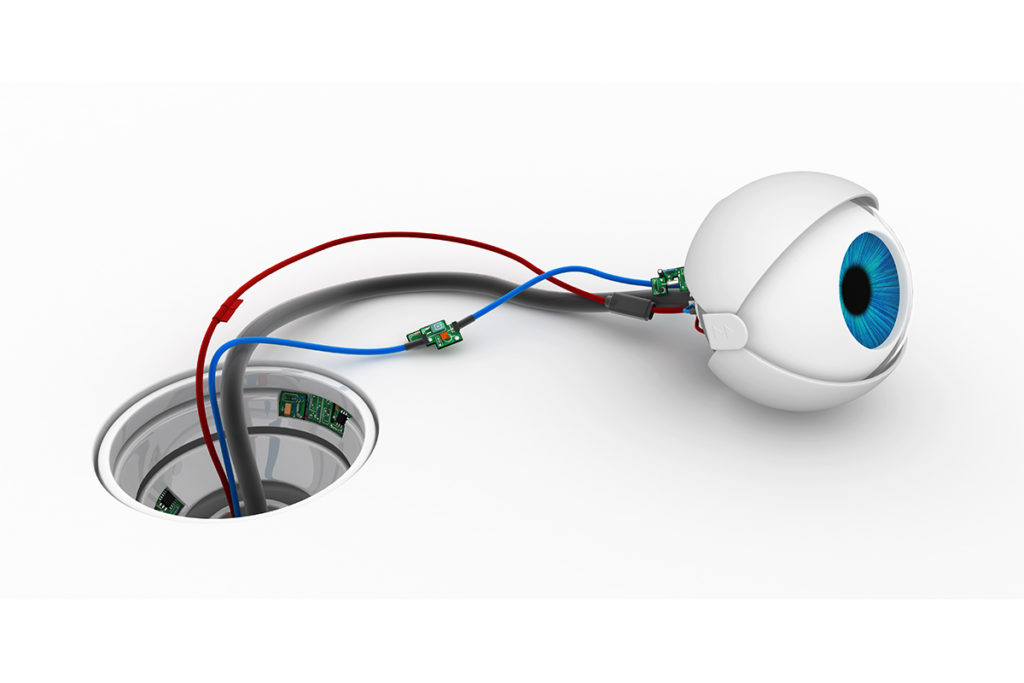
 One thing that’s made robotics such a growing trend is their superhuman sensor capabilities afforded by machine vision technology. Robots are now equipped with high-resolution cameras, microphones, heat sensors, and more. They can not only sense what an item is but also interpret what to do with it. Market research indicates that the demand for 3D machine vision has accelerated in tandem with the growing robotics trend. 3D machine vision allows vision-guided robots to take over specific tasks such as picking, material handling, assembly, and inspection.
Nortech Applications Engineer, Jerome Taylor said, “In almost every factory, you’re seeing the deployment of more camera systems for monitoring, more sensors, and more and more data collection.” He continued, “Machine vision cameras have gone from one megapixel to 12 megapixels, and the frame rates have increased from 30 to 60 to 120 frames per second.” This is indicative of the increase in data quantity and the speed that it needs to be reliably transmitted.
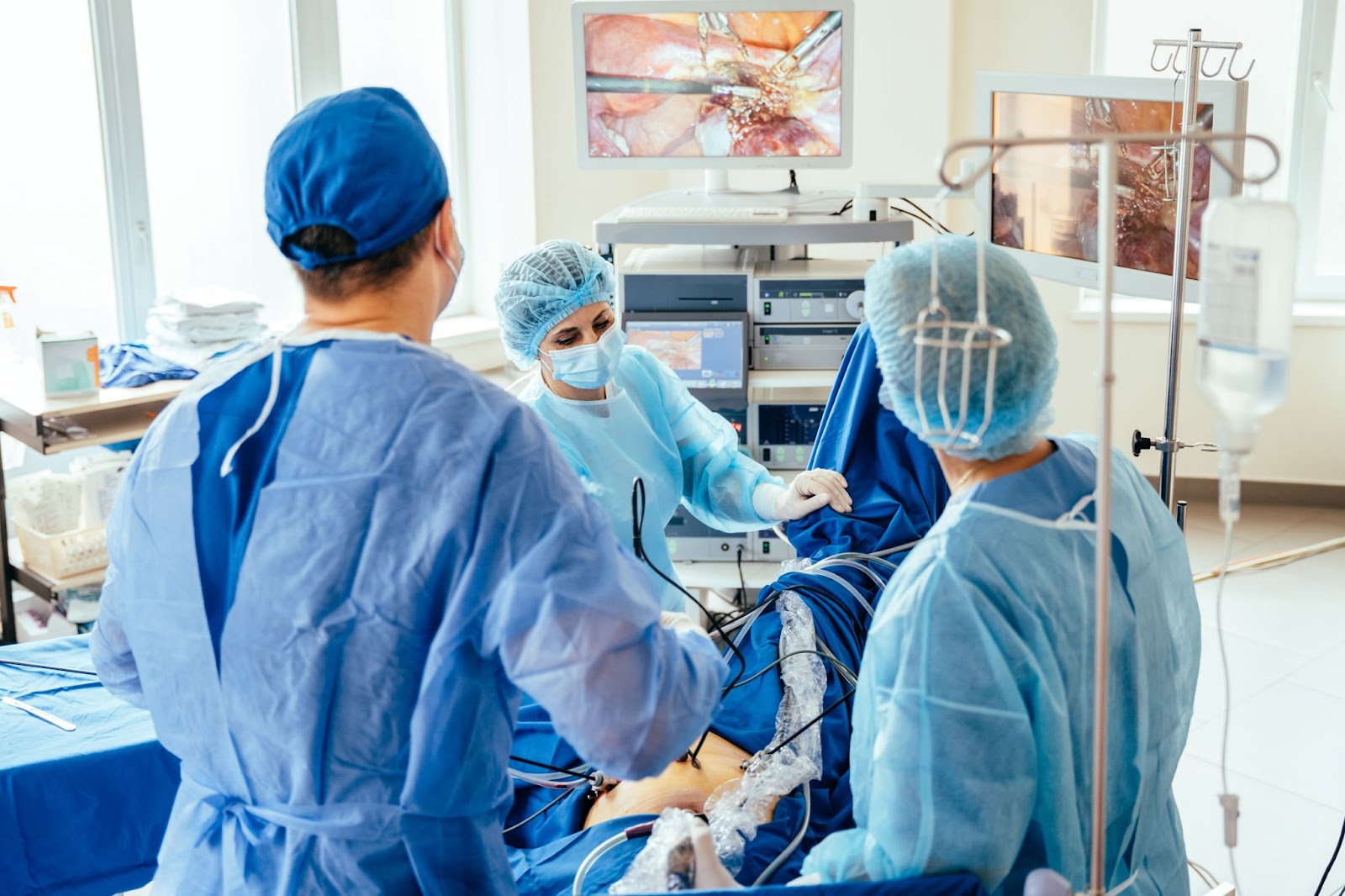
The medical field has expanded its use of trending fiber optic cables for smart factories and robotics as well. Camera systems are being introduced into the operating theatre providing displays of the procedural area locally and engaging other surgeons off-site. Some health facilities even mount cameras on a patient’s head during an MRI. If that patient moves, the movement can be accounted for, resulting in enhanced image quality.
Augmented reality as a result of machine vision is another example of the growing number of applications in the healthcare field. One example is a system designed to detect the heat signature of blood flow and highlight it on a patient’s arm, making injection administration easier. Similarly, cameras, augmented by machine vision, recognize what they see and relay additional information to the healthcare worker in real time.